


Online Clearance Buying Guide for UK Resellers
AdminA £22.99 return box can be a low-risk way to test a resale idea. A pallet can give you far more stock per pound, but it can also leave you with a garage full of slow-moving items if you buy on guesswork. This online clearance buying guide is for buyers who want to turn returns, overstocks and mixed goods into useful stock, whether that means eBay listings, Vinted bundles, a market stall or a bargain purchase for home.
Clearance buying is not about expecting every item to be perfect. It is about buying at the right level, understanding the likely condition, and having a realistic route to sell or use what arrives. The best deal is not always the biggest lot. It is the lot you can process, price and move without tying up all your cash.
What online clearance stock actually includes
Online clearance stock comes from several supply channels. Customer returns may include unwanted purchases, opened packaging, incomplete items, goods with faults and perfectly usable products sent back within a retailer's returns window. Overstock is generally unsold stock that has not been returned by a customer, while undelivered parcels may contain a broad mix of goods from online orders that could not be delivered.
That source matters because it sets expectations. A clothing return bundle from a recognised fashion retailer may suit Vinted sellers who can sort sizes, styles and condition. Mixed courier returns can contain household goods, accessories, toys, electricals and other surprises, making them better suited to buyers comfortable with varied stock. Pallets of Amazon returns can offer quantity and recognisable brands, but they need more time for testing, grading and listing.
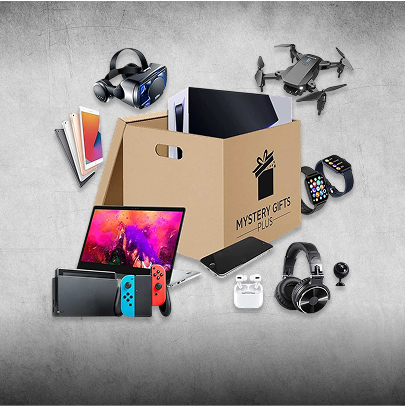
Treat product titles and descriptions as your buying brief. Look for the source, format, weight or quantity, stated condition and whether the lot is mixed, boxed, caged or palletised. If a listing is sold as a mystery box, buy it for the value and variety, not for one item you hope is inside.
Online clearance buying guide: choose the right format
Your first purchase should match your available space, budget and sales channel. Buying too much too soon is one of the quickest ways to turn a bargain into dead stock.
Return boxes and mystery bundles
Return boxes are the sensible starting point for new resellers and deal-focused buyers. With entry prices around £22.99, they let you see how mixed-condition stock works without committing hundreds of pounds. You can practise checking goods, taking photographs, writing listings and learning which categories sell best for you.
Mystery bundles also work well when you want variety. The trade-off is less predictability. Some items may be ideal for resale, some may be better as low-priced add-ons, and some may need parts, repair or disposal. Keep your first few boxes small and record what you actually recover from each one.
Clothing bundles
TikTok Shop, ASOS, Boohoo and PLT-style clothing returns can be a strong fit for sellers with a quick clothing workflow. You need space to sort by size and condition, plus time to check for marks, missing tags, security labels and signs of wear. Brand new or tagged pieces can be listed individually, while lower-value items may move faster as bundles.
Clothing is usually easier to post than bulky household goods, but it is not automatic profit. Fashion changes quickly, sizes vary and returned garments can need steaming, laundering or careful grading. Buy with your likely customer in mind rather than assuming every branded label will sell at a premium.
Cages, pallets and wholesale joblots
Pallets, cages and larger joblots suit established sellers, market traders and discount shops that can handle volume. The cost per item can be attractive, particularly on mixed household goods, electronics or bulk return stock. However, larger lots need storage, labour and a plan for every grade of item.
Before buying, consider delivery access. Can a pallet be unloaded safely at your premises? Do you have dry, secure space to keep stock organised? A bargain pallet becomes expensive if it blocks your work area, gets damaged in storage or takes months to sort.
Read condition wording without making assumptions
Clearance stock is often mixed condition. That is normal, particularly with customer returns. A box may contain brand new sealed goods alongside opened items, products with damaged packaging, incomplete pieces or items that need testing.
Do not treat general source names as a guarantee of condition. Amazon returns, courier returns and undelivered parcels each have different risk profiles, and a single lot can contain a range of outcomes. Read the listing carefully and price your purchase based on the possibility that a proportion of goods will be unsellable or only suitable for clearance.
For electrical items, allow for testing time and follow the relevant safety requirements before resale. A professional studio headphone may be a valuable find, but only after you have checked sound, charging, connections, hygiene and included accessories. If you cannot test or confidently assess an item type, it may be wiser to focus on categories you know.
Work out the margin before you place an order
The purchase price is only the first cost. Your real landed cost includes delivery, packaging, platform fees, payment fees, cleaning, replacement parts, storage and your own time. When buying mixed stock, you should also expect a percentage of items to be lower value than hoped.
A simple approach is to estimate a cautious recovery figure, not the highest possible resale value. If you think a return box contains 20 usable items, ask what you could realistically achieve after fees if only 12 sell promptly. Then compare that figure with your total cost. This protects you from valuing every item at an optimistic retail price.
Speed matters as much as margin. Ten items making a modest profit each can be better than one expensive item that sits for six months. Resellers with limited space often do best by moving stock regularly, using bundles for slower items and keeping cash available for the next opportunity.
Buy for the way you sell
A strong clearance buy fits your existing route to market. Vinted sellers may prefer lightweight clothing, footwear and accessories. eBay sellers can handle more varied household goods, collectables and replacement parts. Market traders may benefit from mixed low-ticket products that customers can pick through, while local shops may need consistent categories and easy-to-price goods.
Avoid buying a large mixed lot simply because it looks cheap if you do not have a sales outlet for half the contents. For example, bike locks may be straightforward stock for a market stall or cycling-focused online seller, but less useful for somebody whose customer base only buys fashion. The right joblot is the one that supports your current business, not the one with the most exciting possible surprise.
Build a sorting process from day one
Profit is often created after delivery. Open stock methodically and separate it into sellable, needs attention, parts or repair, and disposal. Photograph higher-value items as you go, test electricals promptly and keep accessories with the correct product. This prevents good stock being lost in a pile of mixed goods.
Keep a basic record of what each purchase contained, what sold and what did not. After several buys, patterns become clear. You may find that beauty products move quickly but create more checks around seals and hygiene, or that household goods produce reliable bundle sales. That information is more useful than chasing a one-off lucky item.
Check these points before checkout
Before committing to a clearance box, pallet or joblot, confirm these practical details:
- The stock source and the condition information provided in the listing.
- The format, approximate quantity or weight, and whether contents are mixed or category-specific.
- Your total cost after delivery, fees, packaging and any testing or cleaning work.
- Whether you have enough storage, time and a clear selling route for the volume you are buying.
The most reliable clearance buyers are not the ones who expect every box to contain a jackpot. They are the ones who buy within budget, sort quickly, price realistically and keep learning from every delivery. Start with stock you can move this week, and let proven sales decide what you buy next.