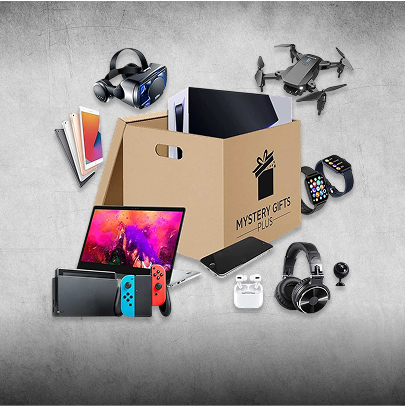



Can Consumers Buy Return Boxes in the UK?
AdminA £22.99 return box can be a low-cost way to test clearance stock without buying a full pallet. But can consumers buy return boxes, or are they reserved for trade buyers? In the UK, members of the public can buy them from retailers that sell liquidation stock direct, provided they understand what they are purchasing: mixed-condition goods, not a standard high-street order.
Return boxes are popular because the entry price is manageable and the contents can cover several categories. One box may hold household goods, accessories, toys, small electricals, beauty items or unopened products. For a reseller, that variety can create several selling opportunities. For a bargain hunter, it is the chance to pick up useful items at a clearance price.
Can consumers buy return boxes without a trade account?
Yes. Not every liquidation supplier sells to the public, but many do. A consumer does not need a VAT number, registered company or warehouse to purchase a return box where the seller offers retail checkout. The buying process is usually the same as any other online purchase: choose the box, pay for it and arrange delivery or collection if that option is available.
The difference is in the stock itself. Return inventory has already moved through a retailer, courier or fulfilment network. It may include customer returns, undelivered parcels, cancelled orders, shelf-clearance lines or overstock. Some items may be brand new and sealed. Others may have damaged packaging, missing accessories, signs of handling or faults. A box may also contain products that simply were not wanted by the original buyer.
That is why the listing description matters more than the excitement of a mystery box. Check the source, category, stated weight or item quantity, price, and any condition wording before buying. Terms such as customer returns, untested, mixed condition and sold as seen are not small print. They describe the risk level built into the price.
What is usually inside a consumer return box?
There is no fixed answer, which is both the attraction and the trade-off. A mixed returns box can contain a handful of higher-value items, plenty of everyday low-value stock, or a combination of both. The source gives a useful clue. Internet courier returns may be broad and unpredictable, while clothing returns from named fashion retailers are more likely to contain garments, footwear and accessories.
Amazon and FBA return stock often covers a wide mix of homeware, gadgets, tools, pet products, toys and small electricals. Undelivered parcel boxes can be even more varied because the original orders may have come from many different retailers. Beauty bundles may contain new, boxed products alongside packaging-damaged lines. Clothing bundles may include returned garments in different sizes, styles and conditions.
Buyers should not assume that branded packaging means a product is complete, genuine in every detail or ready to resell. Inspect goods properly before listing them anywhere. Electronics need testing, clothing should be checked for marks and labels, and personal-care products need particular care. Opened cosmetics, hygiene products and safety-critical goods may not be suitable for resale at all.
Return boxes versus pallets and joblots
A return box is the sensible starting point for most consumers. It lets you learn how liquidation stock works, how long sorting takes and whether you have a route to sell unwanted items. The financial exposure is lower than buying a cage, pallet or large wholesale joblot.
Pallets can offer a lower cost per item, but they need space, transport and more working capital. They also create more sorting work and a larger chance of ending up with slow-moving stock. A £350 pallet is not automatically better value than a £22.99 box if you do not have room to store it or the time to process it.
For a side-hustle seller, the best route is often to start small, record the outcome and scale only when the numbers support it. If a box gives you several saleable items and you can move them through Vinted, eBay, Facebook Marketplace, a market stall or your own shop, then a larger format may make sense later. If it leaves you with clutter, disposal costs and no clear resale channel, stay with smaller buys or choose more targeted stock.
How to buy return boxes with realistic expectations
Treat a return box as clearance inventory, not a guaranteed profit bundle. The value is in the possibility of useful or resaleable goods at a reduced buy-in, not in a promise that every item will be a winner. A supplier cannot know the exact resale value of every mixed box, and neither can the buyer before opening it.
Before ordering, work out your all-in cost. Include the box price, delivery charge, packaging for onward sales, marketplace fees, collection costs and the time needed to test, clean, photograph and list items. A product that looks profitable at first can lose its margin once postage and fees are included.
It also pays to choose a format that suits your knowledge. Someone experienced in fashion may do better with ASOS, Boohoo or PLT clothing returns than a general mystery box. A seller who can test headphones, game accessories or small electricals may be more comfortable with electronics returns. If you are buying for your own home, a household-goods box can be more useful than a broad parcel mix.
Keep a simple record after each purchase. Note the purchase cost, delivery, number of items, saleable items, items kept, items disposed of and actual sales. This quickly shows whether a particular source or category works for you. It also stops one lucky find from making an unprofitable box feel more successful than it was.
Condition, safety and resale checks
Mixed returns require a proper inspection routine. Start by checking the item against its packaging, then look for obvious damage, missing parts and evidence of use. Switch on electrical items where safe to do so, test basic functions and never sell an item as working if you have not checked it.
Be especially cautious with chargers, batteries, heaters, toys, baby products, helmets, cosmetics and other safety-sensitive goods. If a product is damaged, incomplete or questionable, do not pass that problem to the next buyer. Depending on the item, it may be suitable for spares, repair, recycling or disposal rather than resale.
Accurate listings protect your reputation and reduce returns. If a garment has a mark, say so. If an item is untested, state that clearly. If accessories are absent, photograph what is included rather than relying on a stock image. Clearance buying can produce good margins, but repeat customers come from honest condition descriptions, not from hiding flaws.
Are return boxes worth it for personal buyers?
They can be, especially for people who enjoy the surprise and have a use for a broad selection of goods. A household may find useful storage items, toys, accessories or unopened products for less than buying each item new. The catch is that there may also be products you do not need, products that require cleaning or testing, and products with little personal value.
If your main aim is to get one specific product, buy that product directly. A return box is a better fit when you are comfortable with variety and understand that some of the value may be in resale, gifting, repair or donation rather than immediate use.
Who should start with a return box?
Return boxes suit first-time resellers who want stock without committing hundreds of pounds, as well as experienced traders testing a new category. They also work for deal-focused consumers who are happy to sort through a mixed bundle and accept that it is not a curated retail hamper.
At Buyers Hub, smaller return boxes provide an accessible route into customer-return and clearance stock before moving up to cages, pallets and larger joblots. The right buy is not always the biggest one. It is the stock format you can inspect, store and sell with confidence.
Buy a return box with a plan for the contents, not just hope for a jackpot. That approach gives you the best chance of turning mixed returns into useful bargains, dependable resale stock or a clearer idea of what to buy next.